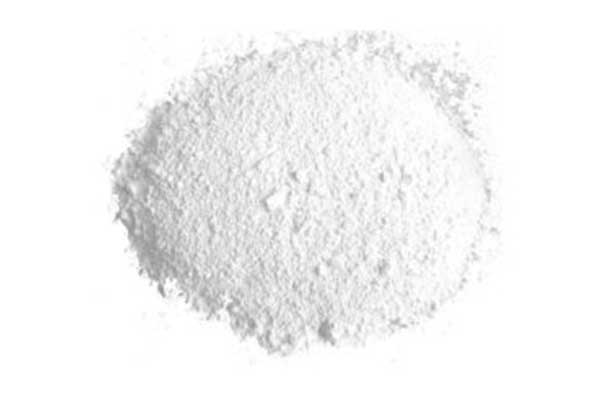
Calcined alumina is produced by firing alumina at controlled high temperatures to achieve varying degrees of calcination, converting it into alpha alumina—its densest and most stable form. Depending on the calcination level, alpha alumina content can range from 5% to nearly 100%. The material appears as crystalline agglomerates, with particle size increasing as calcination intensity rises.
It is widely used in refractories, glass, ceramics, and enamel applications where thermal stability and strength are critical.
Benefits of
Calcined Alumina
Exceptional Heat Resistance
Withstands extremely high temperatures without degradation, making it ideal for refractory and kiln applications.
High Mechanical Strength
Enhances durability and wear resistance in finished products.
Improved Thermal Stability
Maintains structural integrity under continuous thermal cycling.
Chemical Inertness
Resists chemical reactions, extending service life in aggressive environments.
Key Points about
Calcined Alumina
High purity material
Melting point around 2,050°C
Mohs hardness of approximately 9
Excellent chemical and thermal stability
Applications of
Calcined Alumina
Refractories Industry
Glass Industry
Ceramics Industry
Abrasives Industry
Interested in
Calcined Alumina
?
Contact our team to discuss your specific requirements, get technical specifications, or request a quote.