
Industrial Minerals
GlassoMite
Driving Measurable Efficiency, Cost Savings & Sustainability in
Glass Manufacturing

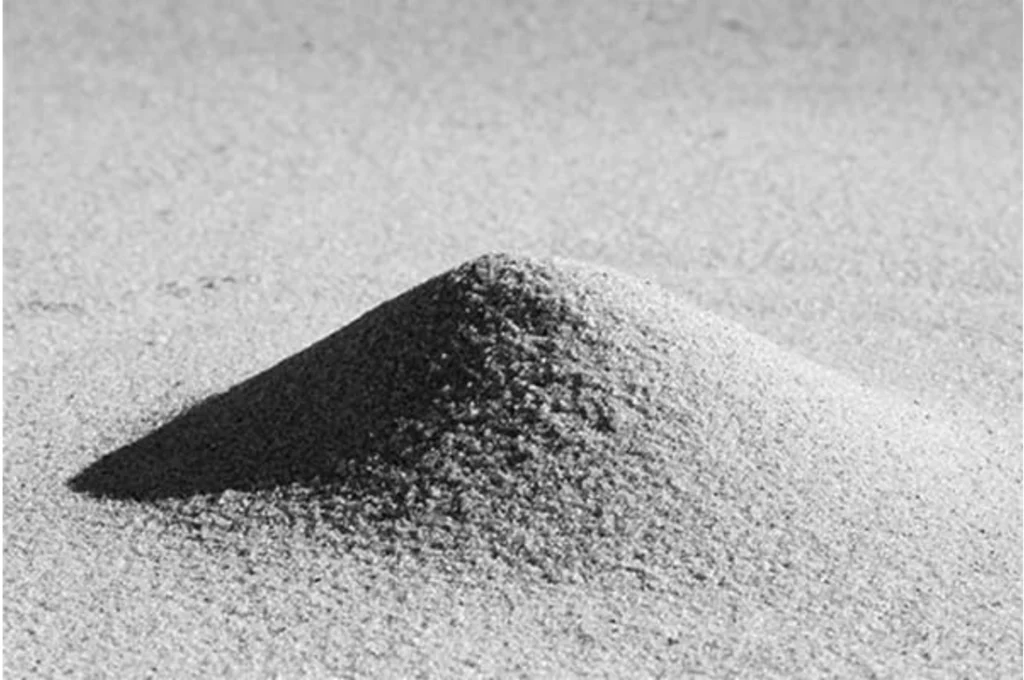
GlassoMite is an eco‑friendly, alumina‑rich mineral solution designed for all types of soda‑lime silica glass production. Derived from granulated blast furnace slag, a by‑product of the steel manufacturing industry, GlassoMite offers a homogenous, glassy structure that enhances melting efficiency, glass quality, and furnace performance while supporting global sustainability goals.
Used by progressive glass manufacturers worldwide, GlassoMite enables measurable energy savings, higher productivity, and improved environmental outcomes without compromising quality.
Cuts energy use by 2.5%–4%
Increases furnace pull by up to 10%
Cleaner, more consistent glass
Lowers greenhouse emissions (CO₂, SO₂, NOx & SOx)
Less refractory wear, lower temperatures
100% converts into glass
Specifications Of GlassoMite
Typical COA: Chemical Analysis
%SiO₂
31.92
%Fe₂O₃
0.28
%Al₂O₃
19.44
%TiO₂
0.56
%CaO
10.84
%MgO
0.41
%Na₂O
0.74
%K₂O
0.76
Total S
0.76
%MnO
0.48
%SO₃
0.18
%S⁻
0.69
%Carbon
0.25
Total
99.09
%O₂equiv.
99.72
Redox
-0.0767
Typical COA: Chemical Analysis
Micron
% Passing
1400
100
850
98
500
70
120
70
Typical Usage Levels
The percentage of GlassoMite used varies depending on glass composition, glass colour, and locally available raw materials. Usage is calculated as a percentage of dry silica sand weight.
Glass Type
Typical Usage
Clear Container Glass
6% – 7%
Amber Container Glass
18% – 22%
Green Container Glass
10% – 13%
Float Glass
3% – 8%
How GlassoMite Works
The performance advantages of GlassoMite are driven by two fundamental characteristics: its glassy nature and its controlled redox behaviour. Together, these properties enable lower melting energy, improved refining, and enhanced glass quality.
1
Glassy Nature – Faster Melting, Lower Energy Demand
GlassoMite behaves similarly to cullet (recycled glass) as it is already in a glassy, pre-reacted form. This allows it to participate in batch reactions at lower temperatures, significantly improving melting efficiency.
Key effects:
- Supplies a wide range of glassmaking oxides directly to the melt
- Contributes approximately 15%–40% of CaO required in the final glass composition
- Reduces dependence on limestone and dolomite
- Minimises energy-intensive endothermic decomposition occurring at 800–900°C
- Becomes liquid at glass melting temperatures, accelerating batch reactions and homogenisation
2
Controlled Redox Behaviour – Improved Refining & Colour Stability
GlassoMite contains trace amounts of carbon and sulphur (as sulphide), giving it mild reducing properties. Unlike strong reducing agents, this controlled redox behaviour allows GlassoMite to be added in relatively higher quantities, ensuring uniform distribution throughout the batch.
Key effects:
- Enhances redox balance within the melt
- Improves colour stability and consistency
- Interacts with sodium sulphate to lower its decomposition temperature
- Enables effective refining at reduced temperatures
- Contributes to fewer defects, such as seeds and blisters
How GlassoMite Is Used
Technical Service
Eco Clay Solutions partners closely with glass manufacturers to ensure optimal and measurable results from GlassoMite implementation. Adoption is carried out through a structured, step-by-step approach, guided by experienced and independent glass technologists.
Implementation Approach
- Batch simplification to optimise raw material balance
- Controlled trials with phased dosage adjustments
- On-site technical support and performance monitoring
- Continuous optimisation based on furnace response
Evaluate Glass Composition
Define Optimal Dosage
Implement in Phases
Monitor Furnace Performance
Achieve Energy, Quality & Emission Benefits
Final dosage is optimised through technical evaluation and plant trials.
Advantages Of GlassoMite
The benefits of GlassoMite can be clearly categorised into Environmental, Economic, and Quality advantages, delivering value across operations, cost efficiency, and final glass performance.

Environmental Benefits
- Reduces greenhouse gas emissions including CO₂, NOx, and SO₂
- Extends furnace campaign life by lowering thermal and refractory stress
- Supports the circular economy

Economic Benefits
- Lowers overall energy consumption
- Increases furnace pull and production efficiency
- Enables batch simplification and raw material optimisation
- Improves overall cost efficiency through stable operations

Quality Benefits
- Reduces batch stones and unmelted defects
- Minimises seeds and blisters
- Enhances colour stability through controlled redox behaviour
- Reduces refractory attack, improving glass purity

Sustainability at the Core
By converting an industrial by‑product into a high‑performance glass raw material, GlassoMite supports:
- Lower carbon footprint per tonne of glass produced
- Responsible resource utilisation
- Long‑term environmental compliance for global glass manufacturers
Contact Us Today!
We are committed to delivering technically sound, sustainable mineral solutions to glass manufacturers worldwide. With expert support and proven performance, GlassoMite helps producers achieve efficiency, quality, and environmental goals together.